Roundup and non-Hodgkin lymphoma: where the litigation stands.
Years after the first verdicts, the case pipeline is still open — with important California-specific considerations.
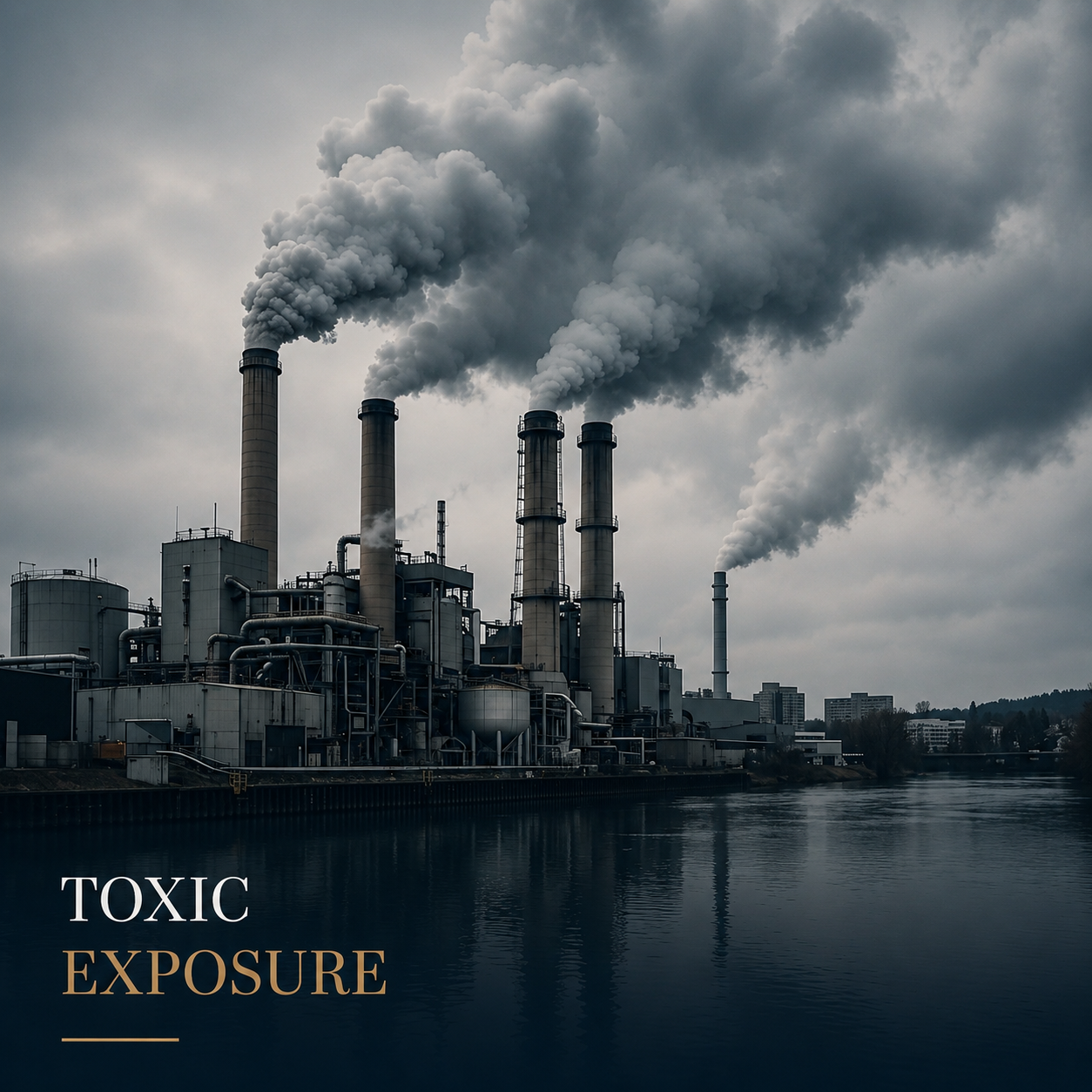
Roundup — the glyphosate-based weed killer manufactured by Monsanto, now owned by Bayer — has been the subject of one of the largest product liability efforts in modern history. The core allegation: long-term glyphosate exposure is a substantial contributing factor to non-Hodgkin lymphoma (NHL) and related cancers.
Who typically qualifies
Cases generally involve:
- Repeated Roundup exposure — commonly landscapers, farmers, groundskeepers, and heavy home users.
- A diagnosis of NHL or a related B-cell lymphoma.
- Diagnosis within the relevant statute of limitations — usually two years from discovery in California.
You do not need to have kept receipts. Employment records, testimony, and product-purchase records can all establish exposure.
Where the litigation stands today
Bayer has resolved a substantial number of cases while continuing to defend others. The pipeline for new filings remains active, and California juries have historically returned significant verdicts in these matters.
California's Proposition 65 warning obligations add a state-specific dimension to Roundup litigation that generic national analysis often overlooks.
What to bring to a first call
- Approximate years and settings of Roundup use
- A short summary of your diagnosis and treatment
- Any employment records confirming exposure
If a claim is viable, we will explain the timeline in plain language. If it is not, we will tell you honestly and point you toward whatever fits better. Either way, no fee unless we recover.
Related practice area
Toxic Exposure
Related reading
Keep exploring.
Camp Lejeune claims: what veterans and families should know.
The Camp Lejeune Justice Act reopened a door that had been closed for decades. Here is what that means for you.
How to know if you have a product liability case in California.
The four questions we ask every caller — and how the answers shape what happens next.
California wildfire claims: when a utility caused the fire.
Insurance rarely covers the full loss. Here is how utility-caused wildfire litigation fills the gap.
Have questions about your situation?
A short call is often enough —
and it's always free.
Tell us what happened. We will listen carefully, tell you plainly what we can and cannot do, and — if we can help — begin quietly, right away.